

5 Powerful Lessons from World-class Facilitators
What top facilitators do differently (and how you can apply it)

Hey guys,
Hope 2026 is treating you well so far.
I’ve just kicked off a new season of the Another Day, Another Workshop podcast.
Season 1 was a ride. We recorded 17 episodes with incredible guests, honest conversations, and a lot of facilitation wisdom (and yes… a lot of passion too).
And after listening back, taking notes, and re-living some of those moments, I realized something:
A few lessons kept coming back.
The kind that actually stick.
The kind you remember in the room, when things get messy.
So here are 5 takeaways that stayed with me from the first season.
Lesson #1: Good facilitation always gives people a choice.
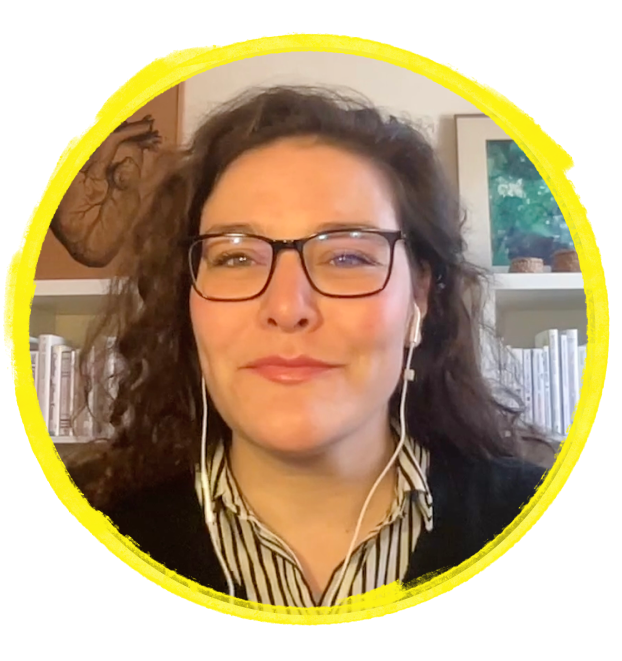
Romy explained that good facilitation should respect different cultures and always give people a choice. Not every group is equally comfortable with creativity, risk-taking, or self-reflection, and that’s okay.
Instead of forcing people to take part in a specific way, create flexible activities that let them engage how they feel most comfortable. This helps everyone feel safe and open to learning.
For example, not everyone will want to close their eyes or draw their emotions and they shouldn’t have to.
👉 Try saying: “You can close your eyes if you’d like,” or “Use words or drawings, whatever works best for you.”
Lesson #2: Connection is really about risk management.
The real purpose of connection isn’t small talk.
It’s getting a group ready to take a risk.
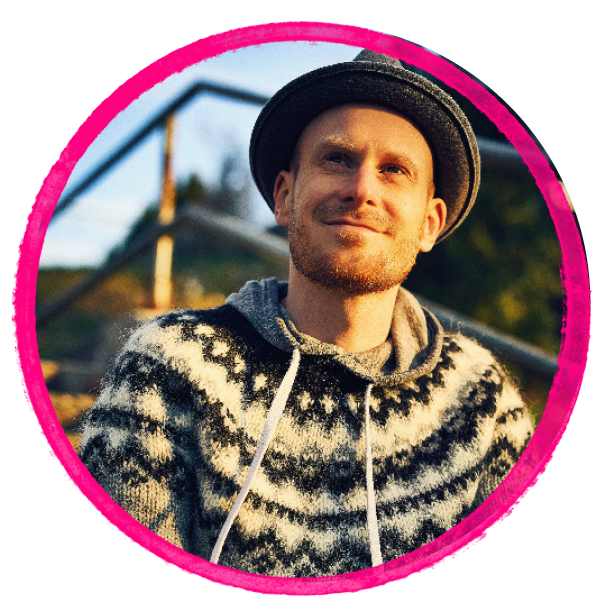
Jan shared a key insight from writing his book:
Most meaningful work requires people to step into uncertainty, sharing something personal, offering a vulnerable idea, or speaking up when it feels uncomfortable.
But risk can’t be forced.
People only take risks when they feel safe with the group, safe with the facilitator, and confident that nothing bad will happen if they fail.
That’s why Jan uses the campfire metaphor.
You can’t light a big log with a lighter.
You start with tinder.
Then small sticks.
Only later can you add the big log.
Workshops work the same way.
The bigger the risk you’ll ask people to take later,
the more intentional you need to be about how you melt the ice at the start.
Connection isn’t about going deep fast.
It’s about warming the room enough so depth becomes possible.
Lesson #3: Different brains. Different needs. Design accordingly.

Facilitators often focus on tools and activities but forget that people’s brains need time, space, and structure to process.
Dee explained that the best facilitators design with this in mind, even if they don’t call it “neuroscience.”
Some people work fast and love quick brainstorming.
Others need time to reflect quietly. If your workshop is packed with back-to-back activities and no breathing space, you’ll lose people.
“If your entire workshop is back-to-back activities without thinking time, some people will disengage.”- Dee Scarano
Here are some of her tips
Give people space to work both together and alone
Balance active time with silent time
Allow participants to submit ideas overnight
Designing for different brain speeds makes a massive difference in engagement and outcomes.
Lesson #4: Don’t overthink it. Don’t underthink it. Optimally think it.
This is one of Tim’s favorite concepts, and it really stuck with me.
Business culture is full of overthinking.
Workshops often suffer from underthinking.
We either spend months circling around a problem…
Or we rush through it in a 90-minute session full of sticky notes and surface-level ideas.
But a good workshop creates space for optimal thinking: time-boxed, structured, deep enough to solve without getting stuck in perfectionism.
And yes, that sometimes means pushing back when a client says, “You only have three hours with the leadership team.”
Because if the challenge is worth €30M, we need more than an icebreaker and a brainstorm.
Lesson #5: Don’t copy a facilitation style. Don’t invent one. Reveal yours.

Most facilitators start by collecting tools. That’s normal, it builds confidence. But your style doesn’t come from more techniques. It comes from noticing what already feels like you and doing more of it on purpose.
Rebecca shared a simple practice: after every session, ask yourself three questions:
What went well?
What didn’t go so well?
What would I do differently next time?
“When you repeat the reflection, patterns appear! Your facilitation becomes less about performance, more about presence.” - Rebecca
Before you go…

Want to level up your facilitation skills?
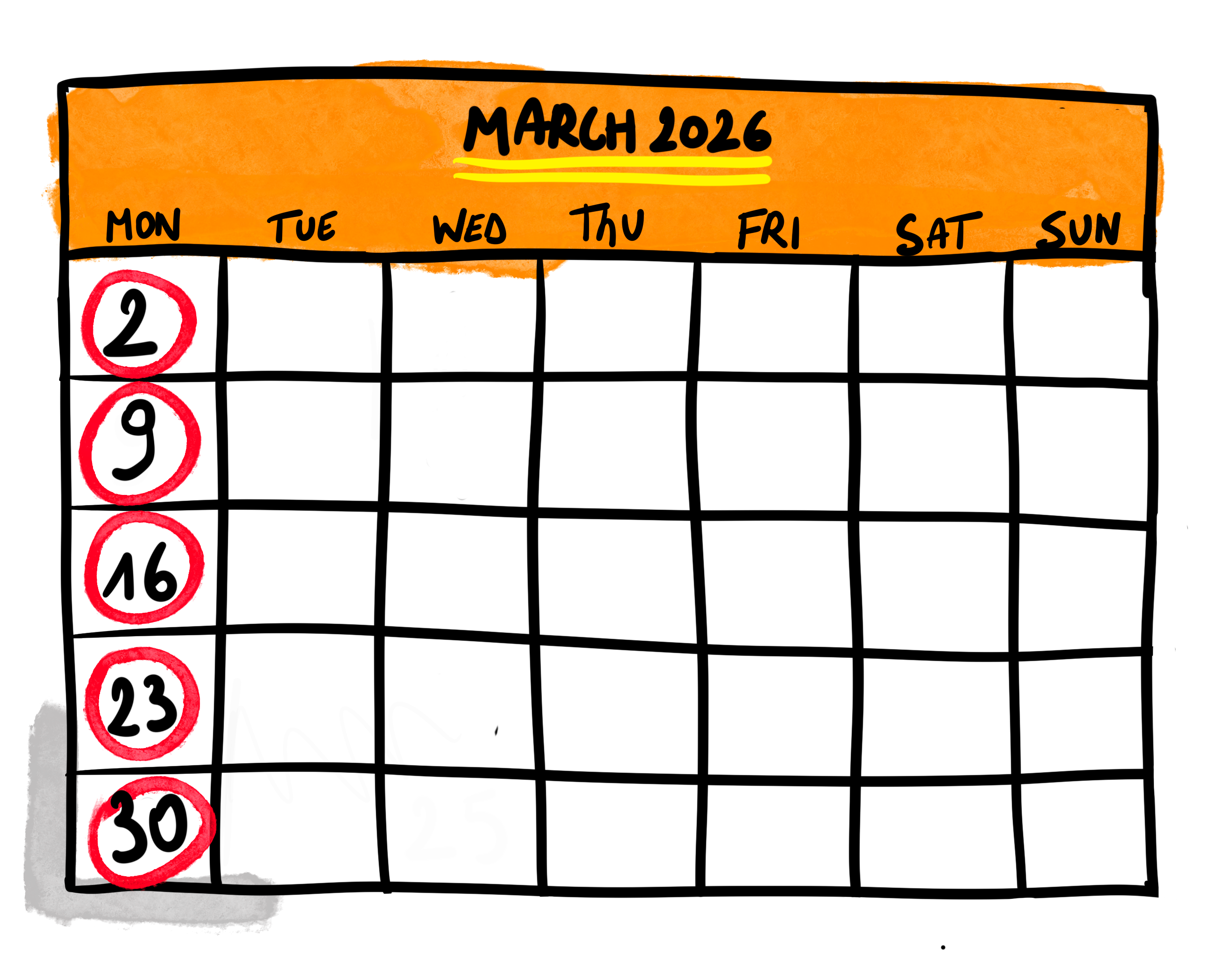
The next Facilitators’ Corner Bootcamp kicks off on March 2, and I’d love to have you in the room.
For 5 weeks, we’ll meet every Monday, and you can choose the time slot that works best for you:
11:00 AM to 2:00 PM CET (5:00 AM to 8:00 AM ET)
5:00 PM to 8:00 PM CET (11:00 AM to 2:00 PM ET)
A lot of you asked for an earlier option, so I made it happen.
This is a hands on, practical program to help you design and lead workshops with confidence, no matter the team, topic, or challenge.
No fluff. No theory overload. Just tools, practice, and real facilitation muscle.
What is the bootcamp about ?
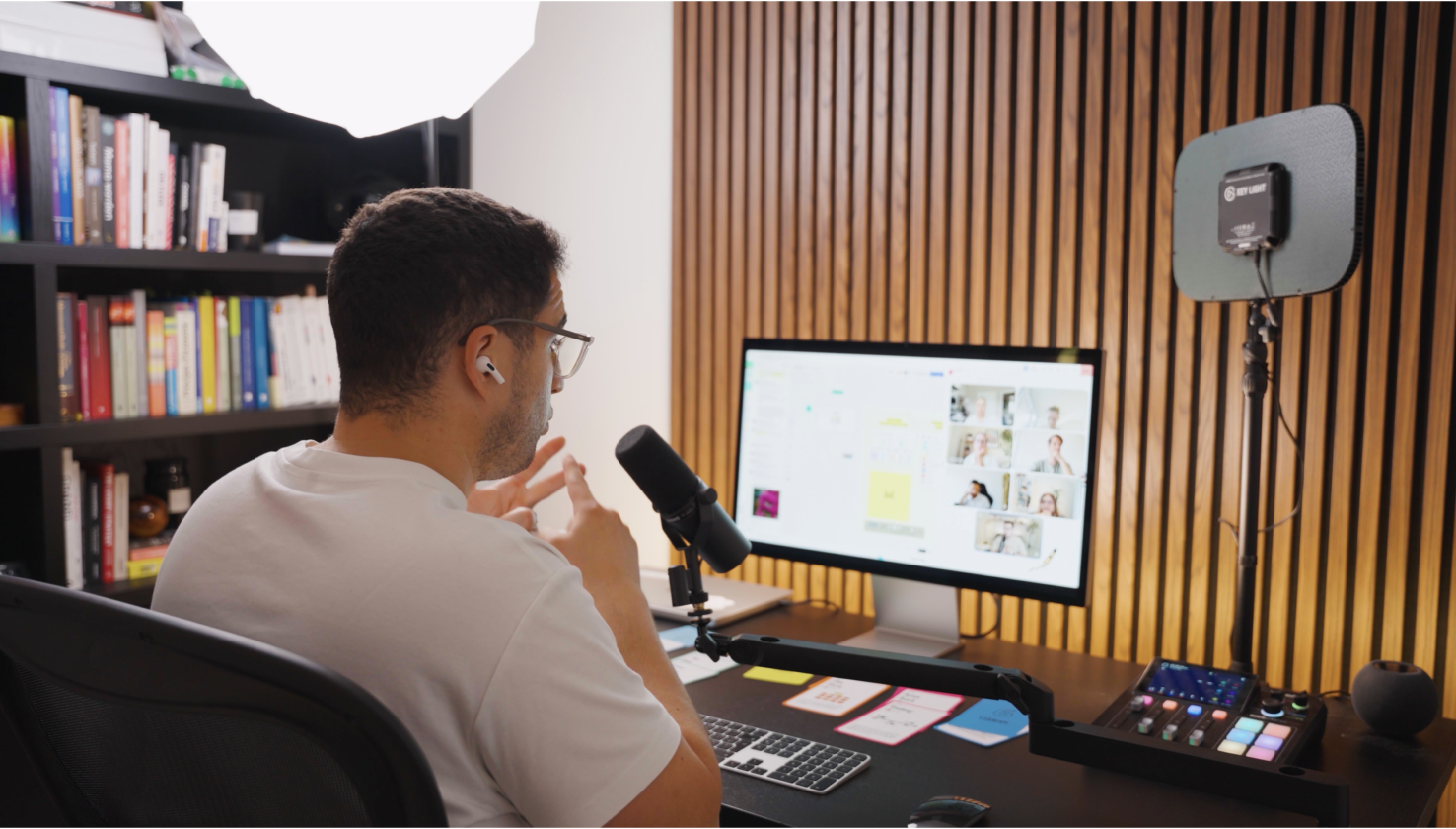
It’s a 5-week journey to help you:
Design workshops with clarity and confidence
Lead sessions that people actually remember
Build experiences that drive real outcomes
Save a lot of time in your workshop design process
Feel legit walking into any room as a facilitator
Over the last 5 years, I’ve facilitated workshops for corporates, startups, and NGOs, hosted dozens of podcast conversations with top facilitators, and invested €25k+ in training to sharpen my craft.
I’ve also taught hundreds of facilitators.
This bootcamp is the program I wish I had when I started.
Everything in one place. No need to hunt for frameworks, tools, or inspiration elsewhere.
When is it taking place ?
The bootcamp runs every Monday from March 2 to March 30, with live sessions lasting 3 hours each
All sessions will be recorded and shared, so you can catch up on your own time. We know it’s a big commitment, which is why we’re offering high-quality replays to support your learning, even if you miss a live session.
What the Bootcamp Really Gives You
In the last episode of Another Day, Another Workshop, I’m hosting Silvia, a brilliant branding strategist and coach. She was also one of the very first participants of the Facilitators’ Corner Bootcamp.
Here’s a short snippet of what she thought about the bootcamp and how it helped her.
And if you want the full context, we go much deeper in the last 20 minutes of the episode too:
What’s new in the bootcamp this year?
This cohort is special.
Everything I built for The Workshop Deck is now included in the bootcamp:
The printed card deck
Lifetime access to the Workshop Deck app
The full workshop design self-pace module
Last year, I only ran the bootcamp once. Between client work and the launch of the deck, it was simply too much to organize more editions.
So I can’t promise there will be many cohorts this year.
I truly love running this program, but it takes a lot of energy and focus.
If this feels like the right moment for you, my honest advice is: join while you can.
The good news? If you confirm your participation before January 31st, you’ll benefit from early-bird pricing with a 20% discount.
I’m genuinely excited about this next cohort.
If you want to grow as a facilitator, design better workshops, and feel more confident every time you step into a room, this is for you.
PS: If you’ve already purchased The Workshop Deck or the Mastery Pack, reach out — I’ll make sure you get a special upgrade price that feels fair.
Second good news: if you’ve purchased The Workshop Deck or the Mastery Pack, you’ll also get access to two free practice sessions on January 19th. Make sure to join the community so you don’t miss them.
See you inside,
Mehdi