

Boost the collaboration with your Co-Facilitator with these 5 tips !
From creating confusion to delivering immense value to your clients.

Ever had a co-facilitation turn into a big mess? Constant interruptions, unclear instructions, and overall confusion for participants? Been there, done that 😅
I love working with a co-facilitator, but the truth is that it's not easy to find the perfect sidekick. In my team, I’m lucky to have great facilitators to support me. We share the load of the session, meaning I don’t facilitate all the activities, we split them between us. Some colleagues and I have run so many sessions together that we know when to step in and how to support each other.
Building such strong collaboration with your co-facilitator takes time and practice.
That’s why I’ve put together 5 tips to help you avoid the mistakes I’ve made and elevate the magic of your facilitation duo.
#1 : Design and prepare the workshop together !

From the very beginning, starting with the customer brief, work together to design the workshop. This creates a shared vision and ensures both facilitators are aligned on objectives and flow. It can feel strange for a co-facilitator to facilitate a plan made by someone else, so work on it together. The workshop will be more effective, and you'll benefit from having two minds working towards the same goal : designing and facilitating the right session to achieve the customer's objectives.
#2 : Share the facilitation responsibilities !

If you are used to working together, you can share the load of the workshop by dividing activities. I recommend starting to split parts of the session when the workshop is longer than half a day, otherwise, it may feel like doing a presentation at school again. Each facilitator should lead for half a day and support the other during their turn. Consider your strengths: for example, if one of you is better at energizing the group and setting the stage, they could start, while the other person handles the second part of the workshop.
#3 : Maintain open communication !

Regularly check in with each other before, during, and after the session. Use non-verbal signals or quick side conversations to make sure everything is okay, share concerns, or make adjustments as needed. When the co-facilitator isn't leading, they can watch from the background and might notice things the main facilitator didn’t see. Make sure to talk about these observations to better support the lead facilitator and the group.
#4 : Back each other up !

Actively support your co-facilitator during the session. If one of you misses something or needs a moment, the other can step in smoothly without taking up too much space. When it's not your turn to facilitate, handle operational tasks like distributing sticky notes, dot voting, and playing music, etc. This allows the leading facilitator to focus on guiding the group toward the expected outcomes.
#5 : Provide mutual feedback !
Debrief often, whenever you can : it’s the only way to learn from your mistakes and enhance the magic of your duo. I like to debrief during a big break, like lunch, and at the end of the day or session. This ensures we don’t forget anything and share our impressions while they’re still fresh. Then, we also exchange feedback the day after the session when we have more perspective and can draw clearer conclusions.
Implement these 5 tips to level-up the synergy of your facilitation duo.

Remember, finding your magic takes time, and understanding the workshop dynamics deeply also requires patience. From my experience, working with someone new can lead to ego clashes and competition for speaking roles, which can confuse participants and be counterproductive.
This is why, if it's my first time working with a team member or someone more junior, I expect them to act as a workshop assistant. Their tasks include distributing sticky notes, managing voting dots, playing music, and clustering sticky notes, essentially handling the operational tasks.
Take the time your need to onboard your co-facilitator properly. Have them start as an assistant, gradually increasing their responsibilities until they are ready to co-facilitate effectively.
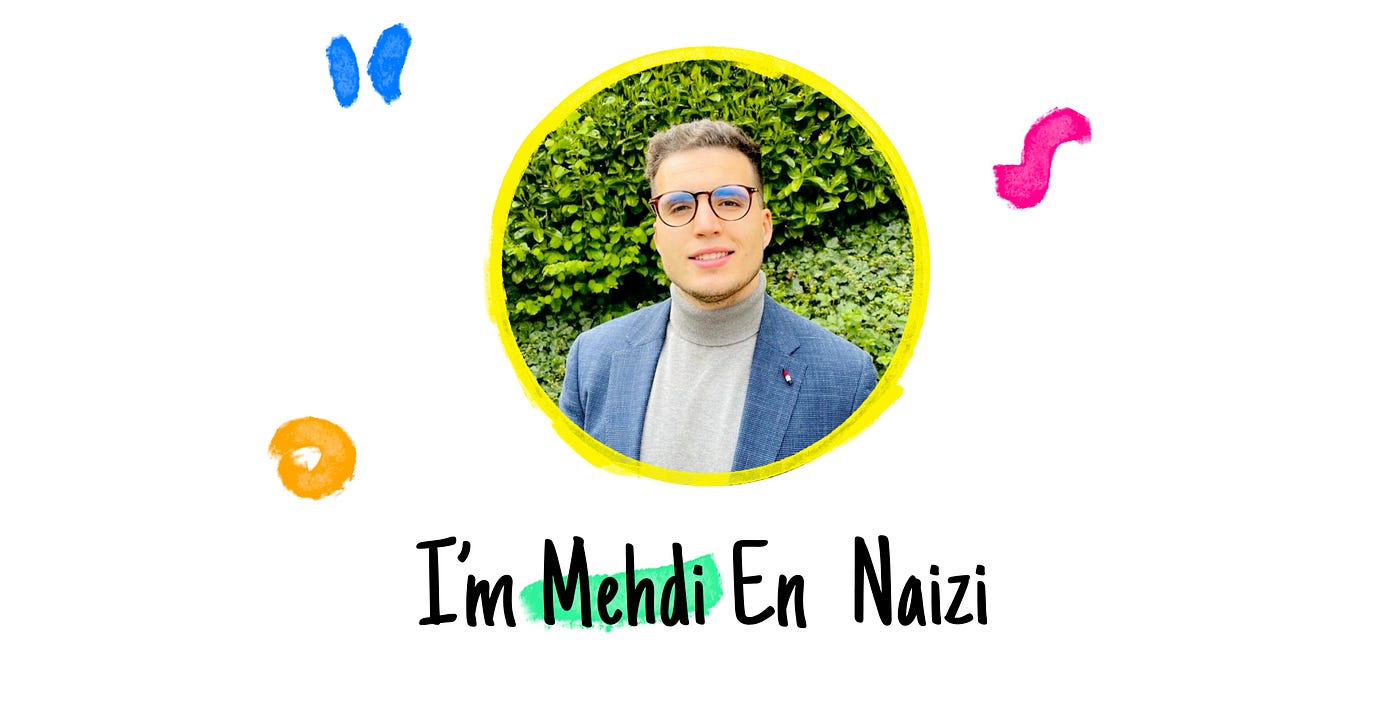
For more content on facilitation, feel free to follow me on linkedin ! I regularly write about workshop facilitation and how it can help your team solve big problems, generate new ideas and make the right decision faster.
Thanks for reading Facilitators' Corner! Subscribe for free to receive new posts and support my work.