

Unlocking Collaboration Excellence: 5 Reasons Workshop Facilitation Leads the Way.
Why do we need to find a better way to work together ?

New year, new… way of working! 🎯
When you look at your schedule, did you ever wonder “Was this meeting actually useful"? Or did you ever feel like the main topic was not addressed and a "follow-up" meeting will need to be organized?
If the answer to either of these questions is YES, you have a meeting issue. Don’t worry, you are not alone and you can do something about it. (#Teasing)
But next to the meeting problem, there's an even more crucial one: the collaboration challenge.
The issue lies in the tendency for people to default to organizing a meeting whenever they aim to collaborate. Meetings have turned into a reflex when faced with uncertainty about what steps to take. After sending the fifth meeting request on the same topic, individuals often cling to the hope that some magical solution will materialize for their projects.
Guess what?! After this meeting, these people will be right back where they started.
Started from the bottom …Now we are still there — ̶D̶r̶a̶k̶e̶ Mehdi (Yes, I just quoted myself!).
However, after running more and more workshops, I came to the conclusion that workshopping is a way more efficient way of working. It solves many “meeting-problems”: long unstructured monologues, lack of preparation, being influenced by good smooth talkers, groupthink, lack of facilitation, etc.
Before delving into why workshop facilitation holds the key, let's first pinpoint and understand the issues associated with traditional meetings
The Obvious Meeting Problems
Nowadays, one of the biggest issues in the corporate world is meetings. Middle managers spend 35% of their time in meetings, without mentioning the number of hours spent to prepare those meetings when they are prepared.
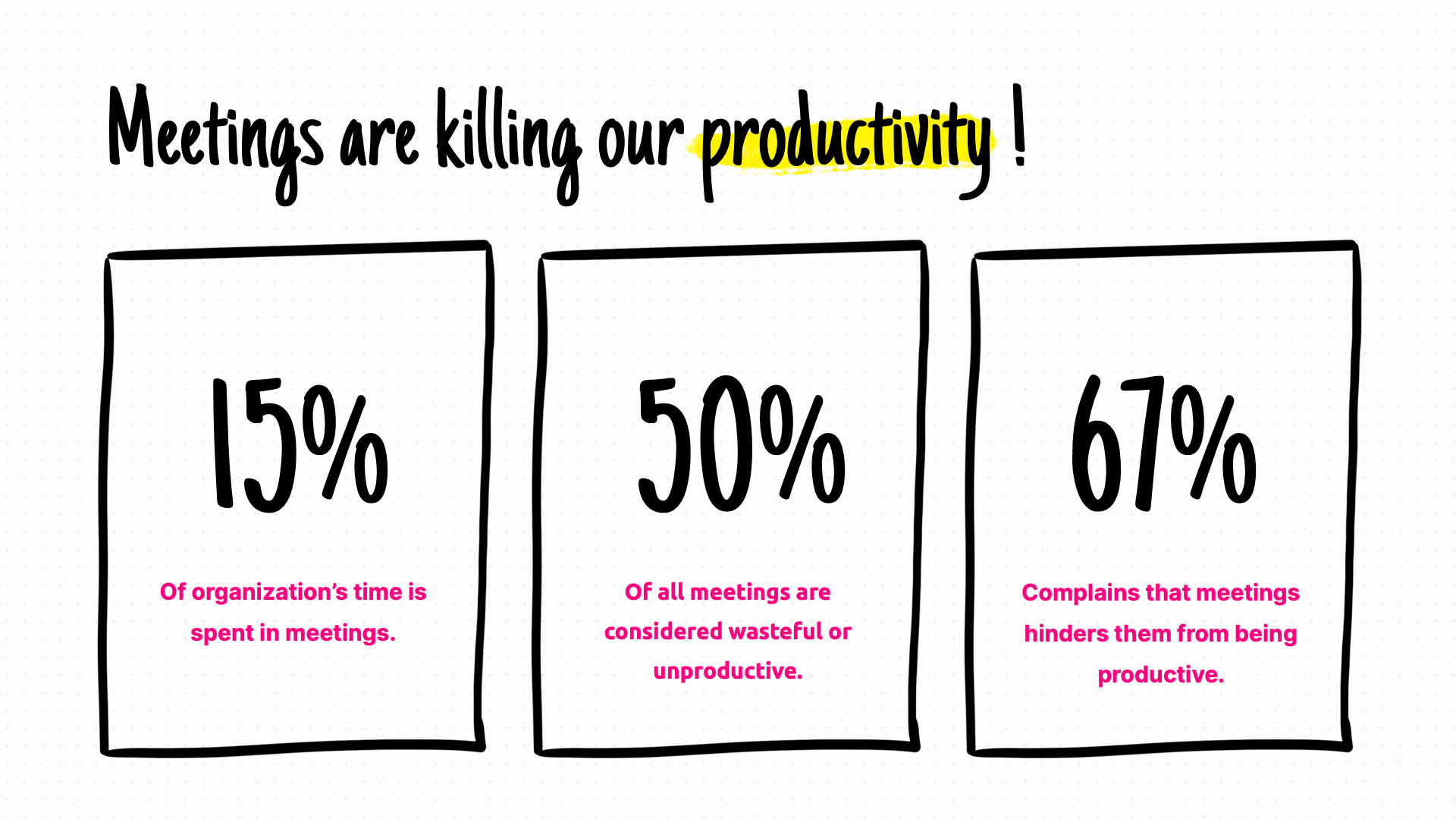
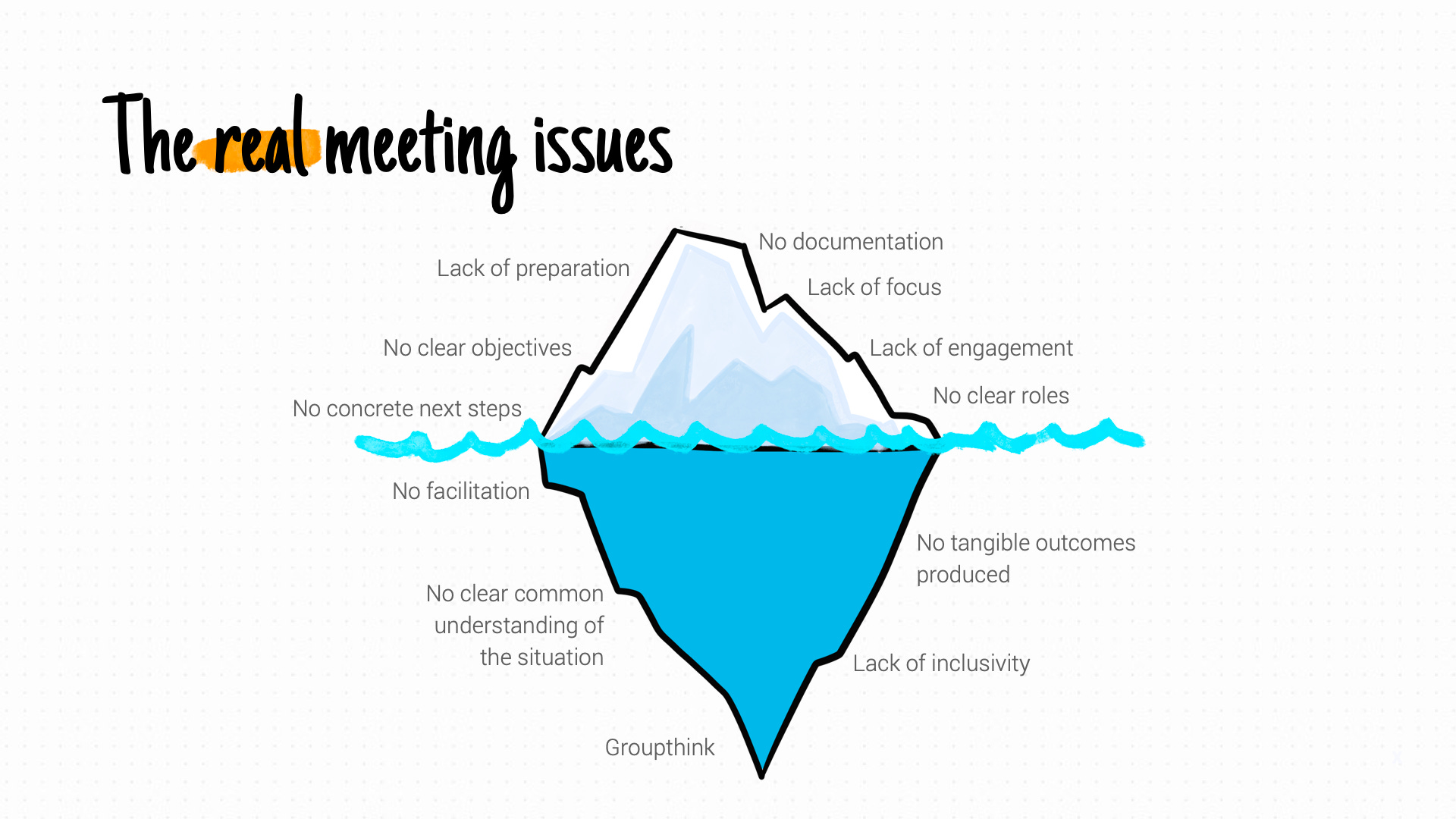
Meetings are not effective for a bunch of reasons. The most obvious ones are the ones that you are seeing on a daily basis: we need to wait for people that run late, so we start discussing and thus lose focus. When all the invitees are finally there, we notice that the meeting was not prepared and this is not helping the dynamic of the discussion. After having this unstructured meeting, we most often don’t define next steps and when we do we rarely document it. These issues are the top of the iceberg of our meeting issues.
I’m sure you’re familiar with some of these problems, if not all of them. Surely, you’ve tried some tips to improve those sessions like starting and ending a meeting on time, create a stronger agenda, or even try to see if the meeting is really needed and couldn’t be replaced by an email.
These tips might work but they are not a game changer. Most of the meetings will still suck. “Why is that?” I’m happy you asked. It is simply because those tips are just a band-aid fix for some symptoms of these meeting issues (top of the iceberg), but they are not solving the real deep ones (below the sea level).
In theory, meetings should be merely used to align on a project and define clear next steps, but unfortunately they aren’t. Thus, even when implementing those tips, we still fail to fulfill a meeting’s primary purpose.
I believe that this is mainly because people fail to see the real and actual problems with meetings. If you do not identify and understand the problem, how can you solve it?
The Real Meeting Problems (hidden part of the iceberg)
Common understanding of the situation/project
Most of the time, teams don’t get a clear picture of the project because they get overloaded with information. There is a limit of information that can be processed by people.
For most people, the human brain can remember up to 7 things plus/minus 2 in their short-term memory — George Miller, psychologist
Basically, the overload of information creates confusion and very often people are not focused enough during meetings. Not being focused during physical meetings is already an issue, so let alone virtual meetings where one may turn off his camera to do the dishes, or quickly run to the bathroom while being “virtually present” (sometimes forgetting that while their camera’s off, the mic is still on).
The direct consequence of this problem is that the team doesn’t share the same level of understanding, which prevents them from being aligned on the crux of the problem. This misalignment hinders them to take the right next steps to move forward in the project. This confusion will create a small chaos, and will create other meetings.
Lack of inclusivity & Team dynamics

Often in meetings, we won’t consider the opinion of every participant.
Some of them may be introverted, others extroverted. These two types of people don’t act or process the information in meetings in the same way.
Introverts prefer to think before they speak and process thoughts internally.Quite often, introverts won’t dare to speak up and share their opinion even when they believe they have the right solution. Introverts are estimated to make up somewhere between 25 to 50% of the population, meaning statisically there are some in your team. It can’t be hard for them to be heard even though their input may be very valuable to the project. (Junior extrovert could also fall into this category in meetings because they are not feeling confident, afraid of being judged, etc.)
Extroverts like to think out loud, processing information as they speak. They could monopolize the conversation and could even convince the other team members that their idea is the best because they can sell it with the right words.
There’s zero correlation between being the best talker and having the best idea — Susan Cain
The pursuit of consensus

Another major issue in meetings is ‘Groupthink’. ‘Groupthink’ is a psychological phenomenon in which people strive for consensus within a group.
In many cases, people will put aside their own opinion or adopt the one of the rest of the group to keep the peace rather than disrupt the uniformity of the crowd. Often in meetings you see people deciding to remain silent instead of challenging their colleagues.
The advantages of having decisions made by groups are often lost because of powerful psychological pressures that arise when the members work closely together, share the same set of values and, above all, face a crisis situation that puts everyone under intense stress — Irving L. Janis.
Discussing but not doing
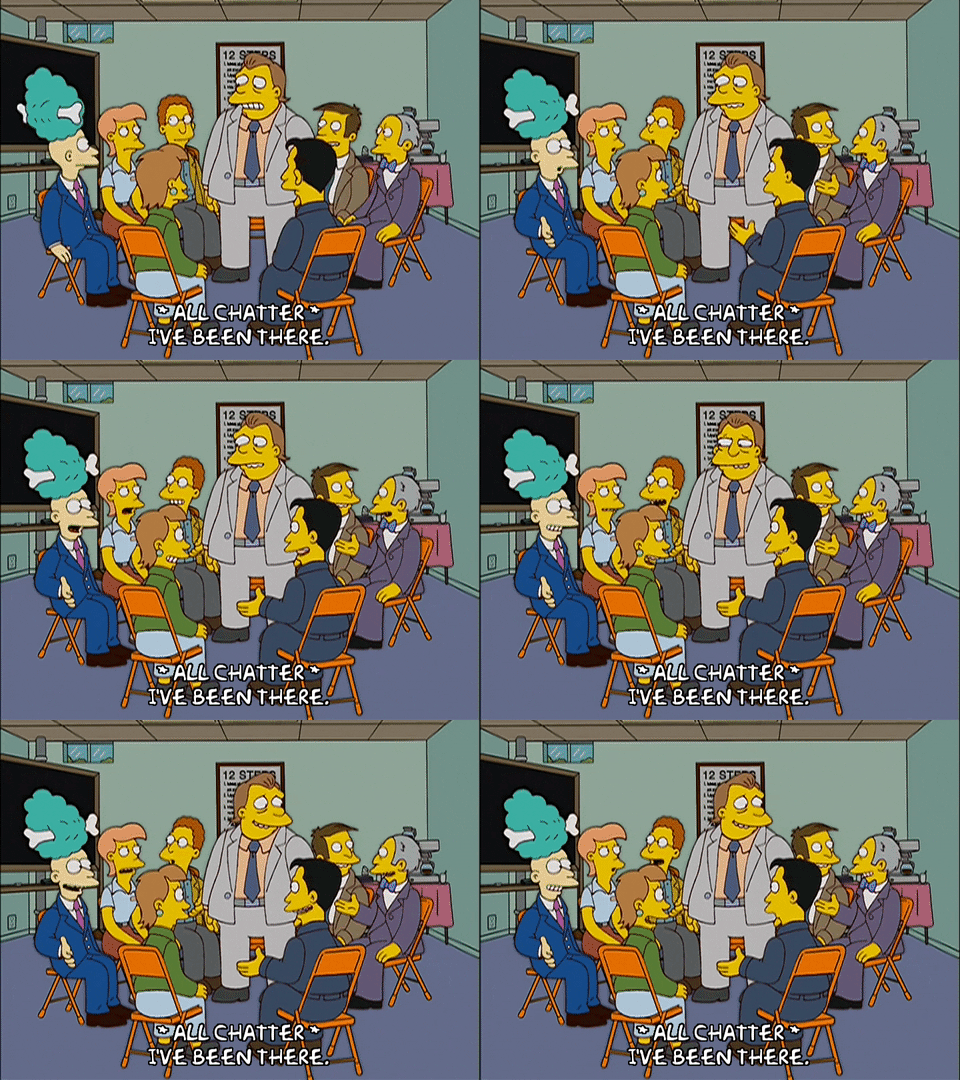
Last but not least, we spend more time in meetings discussing than doing. We end up with no tangible outcomes produced, and before you know it another meeting is scheduled.
No matter the team or company size, the horrors of teamwork stay the same: unstructured meetings that produce no outcome, lengthy decision-making processes, politics-driven teams, and very little meaningful work actually getting done — Jonathan Courtney, CEO Of AJ&SMART
So, Can Human Beings Work Together ?
Collaborative work is an inherently challenging thing for people to do, and without the right set of tools or practices in place every meeting inevitably devolves into endless discussions.
Now that we have identified the problem, what’s the solution? Is there really a fit according to how human beings function and process information?
Workshop is the New Black
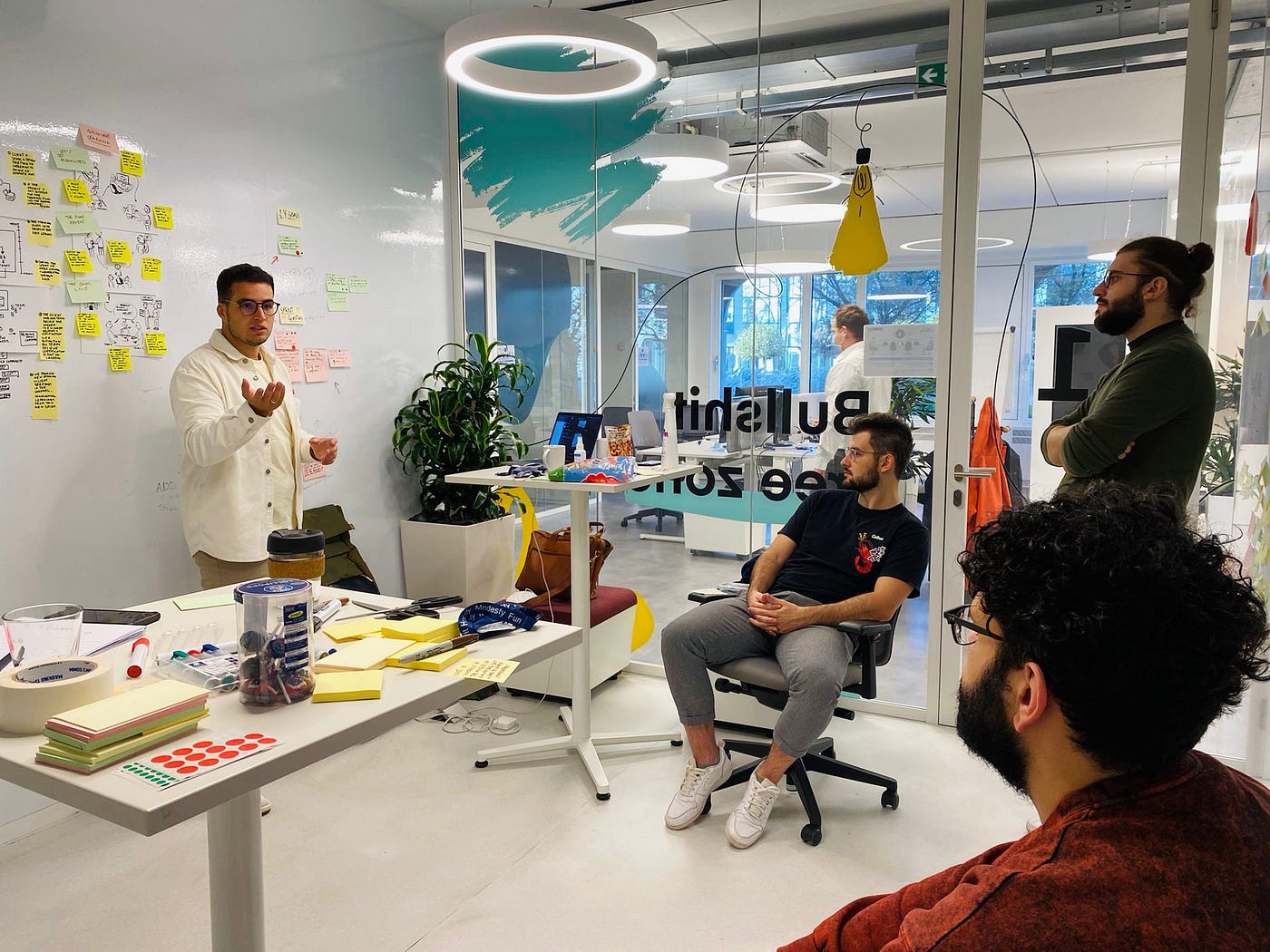
Workshops are the antidote to the real underlying problems of meetings. They bring in the structure and the process that meetings are lacking.
But first, how do we define a ‘workshop’?
Workshop 101
A workshop is a collaborative working session in which a team achieves an agreed goal together. The goal could be to solve a problem, create ideas, work through an issue or find agreement between team members — Pamela Hamilton
Whenever you need to align, solve a problem, make decisions or achieve tangible outcomes, organizing a workshop session should be your new reflex. Workshops succeed in which meetings fail, because through their core principles they solve the real meetings issues.
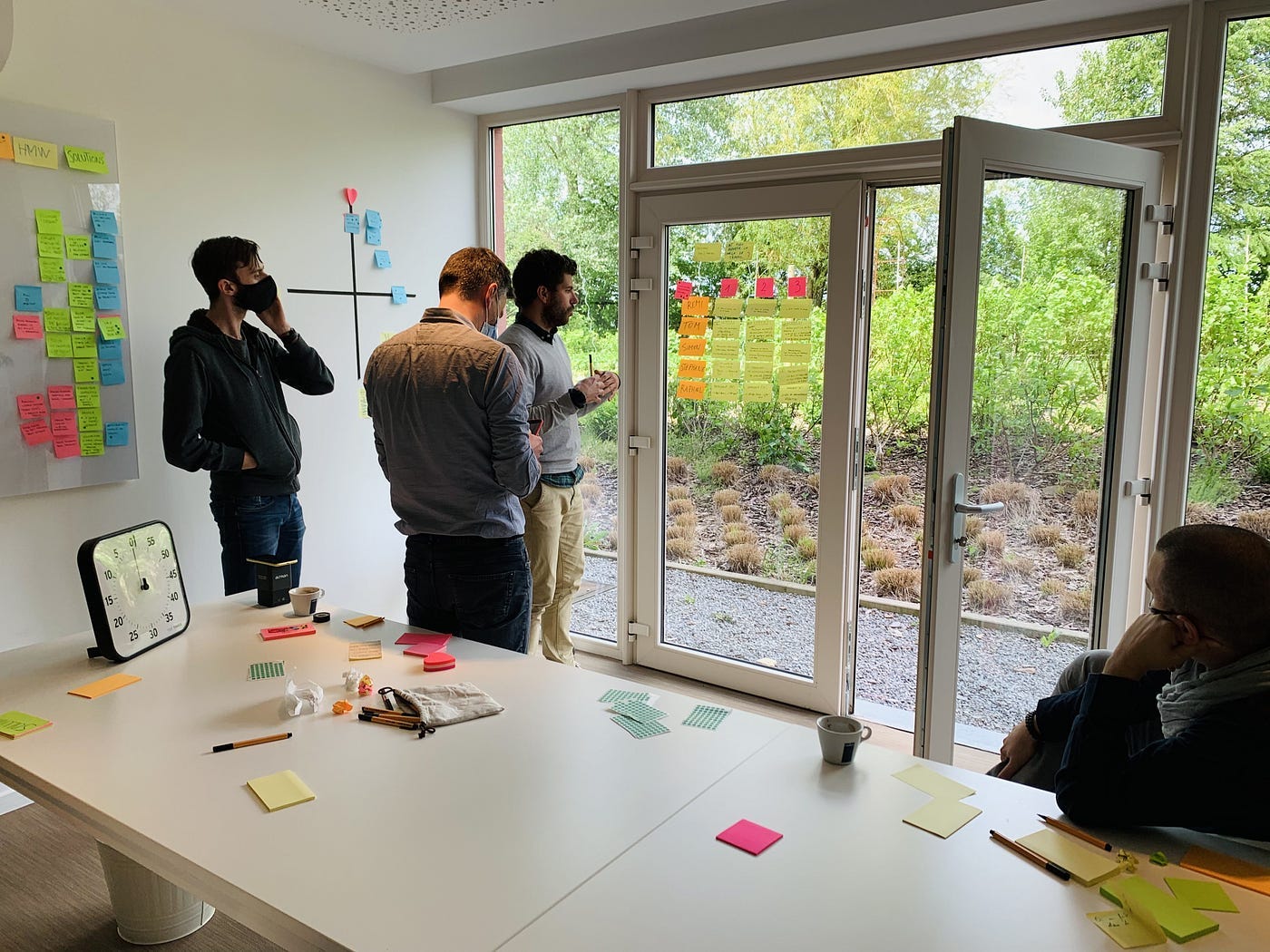
Workshop Principles
Workshop principles are the rules of the game that make group collaboration possible and are key for making any workshop succesful!
1. Visualize your problem
Visualizing the problem will allow the team to really understand it. That’s why in workshops we will always have a moment where we gather all the information on sticky notes, white boards, or, even more so these days, on remote collaboration tools.
By doing this, we remove the possibilities of misalignment or subjective interpretations. Another positive aspect of this principle is that it allows the participant to only focus on understanding the situation instead of spending all his mental energy on remembering all the data and ideas of the project.
Often in workshops, we will organize and categorize all the information we have. According to Miller’s Law (Yes, him again!), this chunking will help people process, understand and memorize information more easily.
Later, when we will work on the solution, we will make sure that we can always come back to the visualization of the problem to help us find those good ideas. Everything will be build upon tangible documented information rather than discussions.
Another common practice in workshops is to sketch the ideas. When you represent your concept with a drawing, it leaves less room for misinterpretations!
💉 🏥 : This principle solves the Common understanding issue.
Working together, alone !
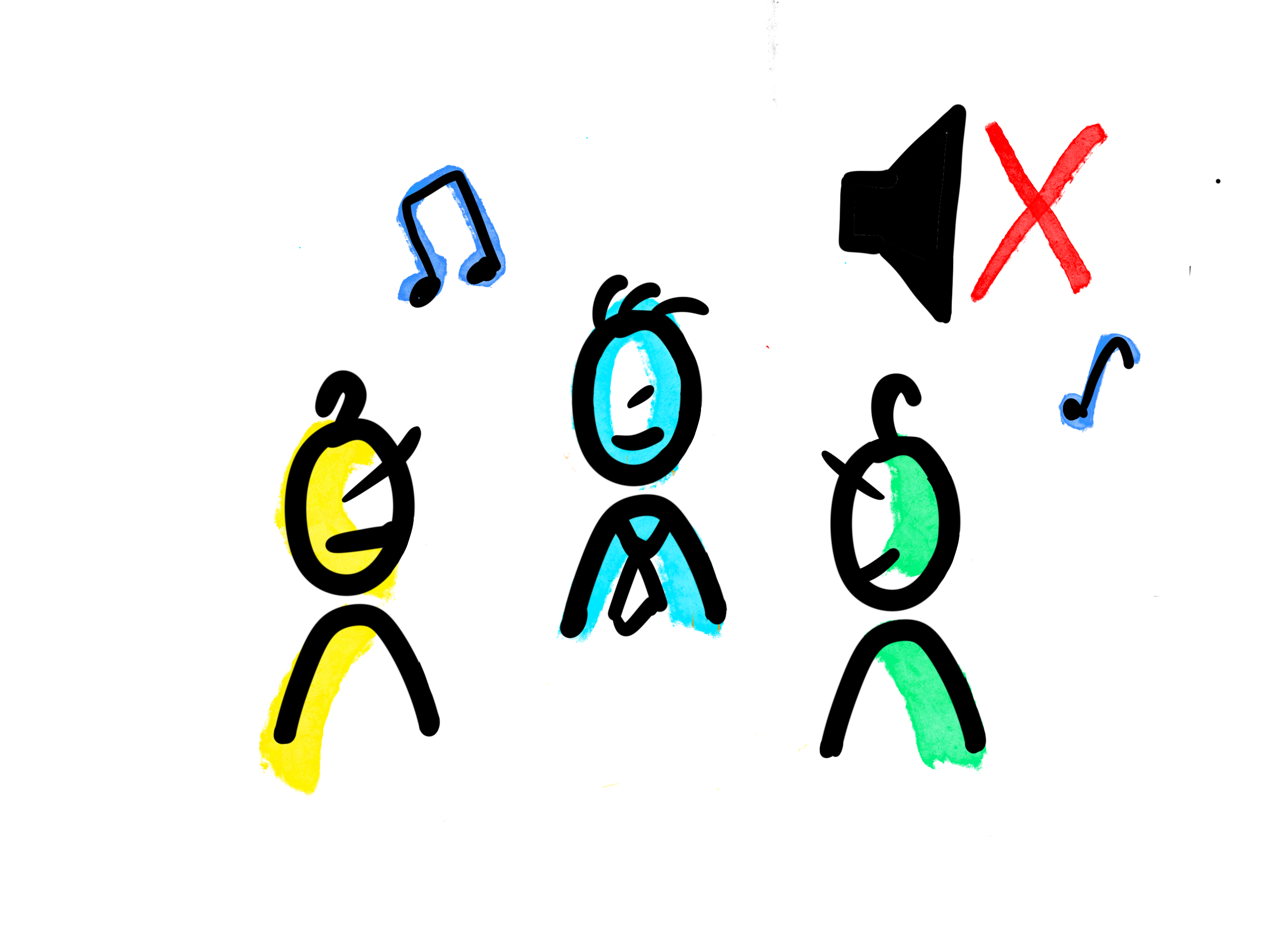
In workshops, each participant will work towards the same task in silence, putting their thoughts and ideas on paper with words or even sketches instead of discussing ideas openly or through a brainstorm. This method prevents the group from ideating without having to battle to reach a consensus and thus giving a chance to each idea to make it to the final cut.
In my team, we often use music to avoid people discussing and influencing each other. This allows the group to move forward only with the strongest ideas.
This principle also pushes the group to be more productive. Since everyone needs to work on their own solution to the problem, it pushes everyone to deliver the best they can (aka peer pressure).
💉 🏥 : This principle allows to decrease the lack of inclusivity or even delete the groupthink issue. Furthermore, it also solves the “discussing not doing”-issue.
Facilitation is a must
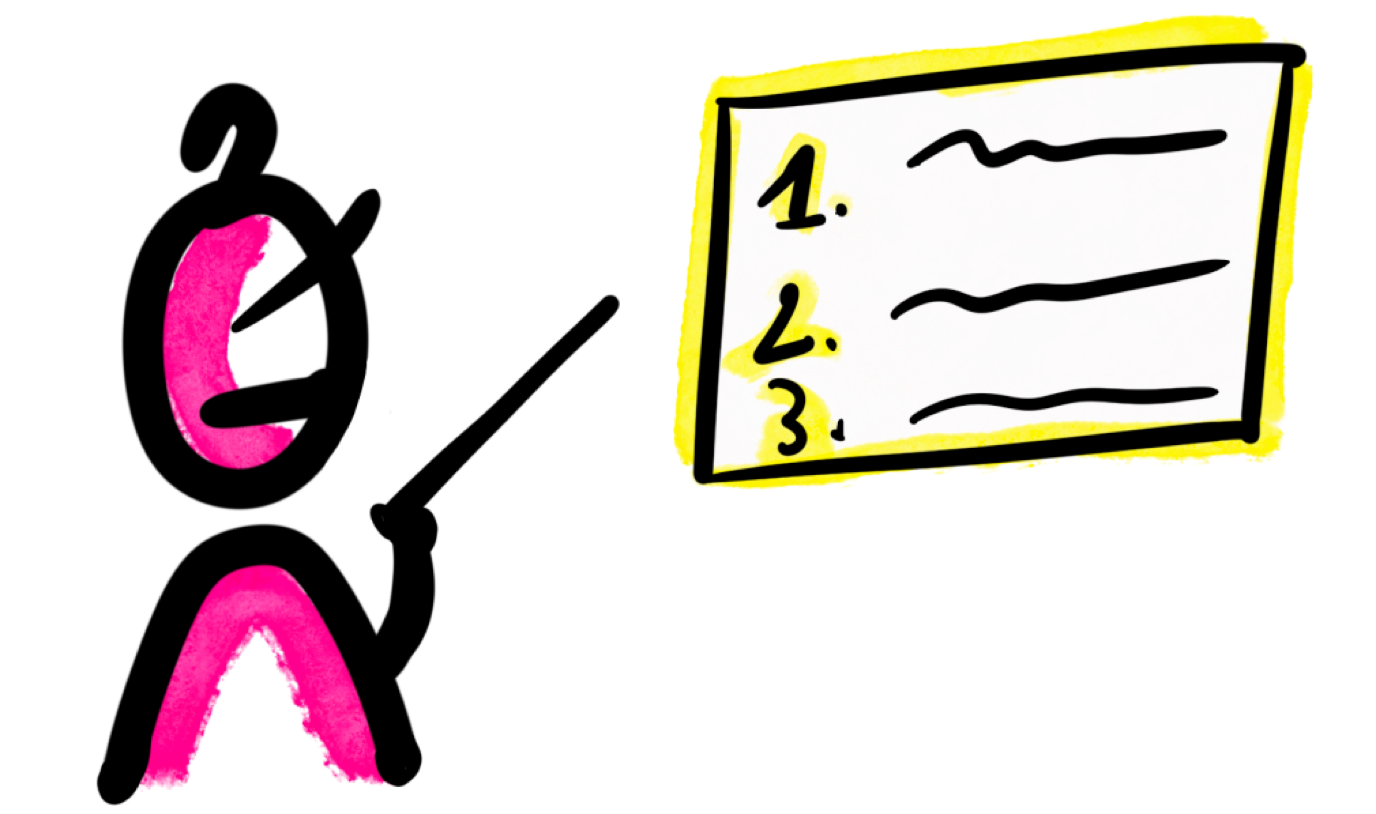
A facilitator is the person who will conduct the workshop. His mission is to guide the team, put them in the best conditions to make sure they will be able to reach the goal of the workshop.
The facilitator’s job is to create a healthy environment where he will ensure that the teams move forward by cutting circular discussions, reminding key information to the team, keeping track of time, taking notes, etc.
Having a facilitator in the room frees up everyone’s mental capacity and really allows the team to only focus on the challenge instead of spending energy on usual meeting thoughts like: “Should I talk now? Should I react to that? Should I take some notes? etc.”
“The singular goal of a facilitator is to help others become successful, guide them to do their best work and unlock people’s superpowers by removing hurdles and putting systems in place to cut out busywork” — Jonathan Courtney, CEO of AJ&Smart
Voting to ease the decision-making process
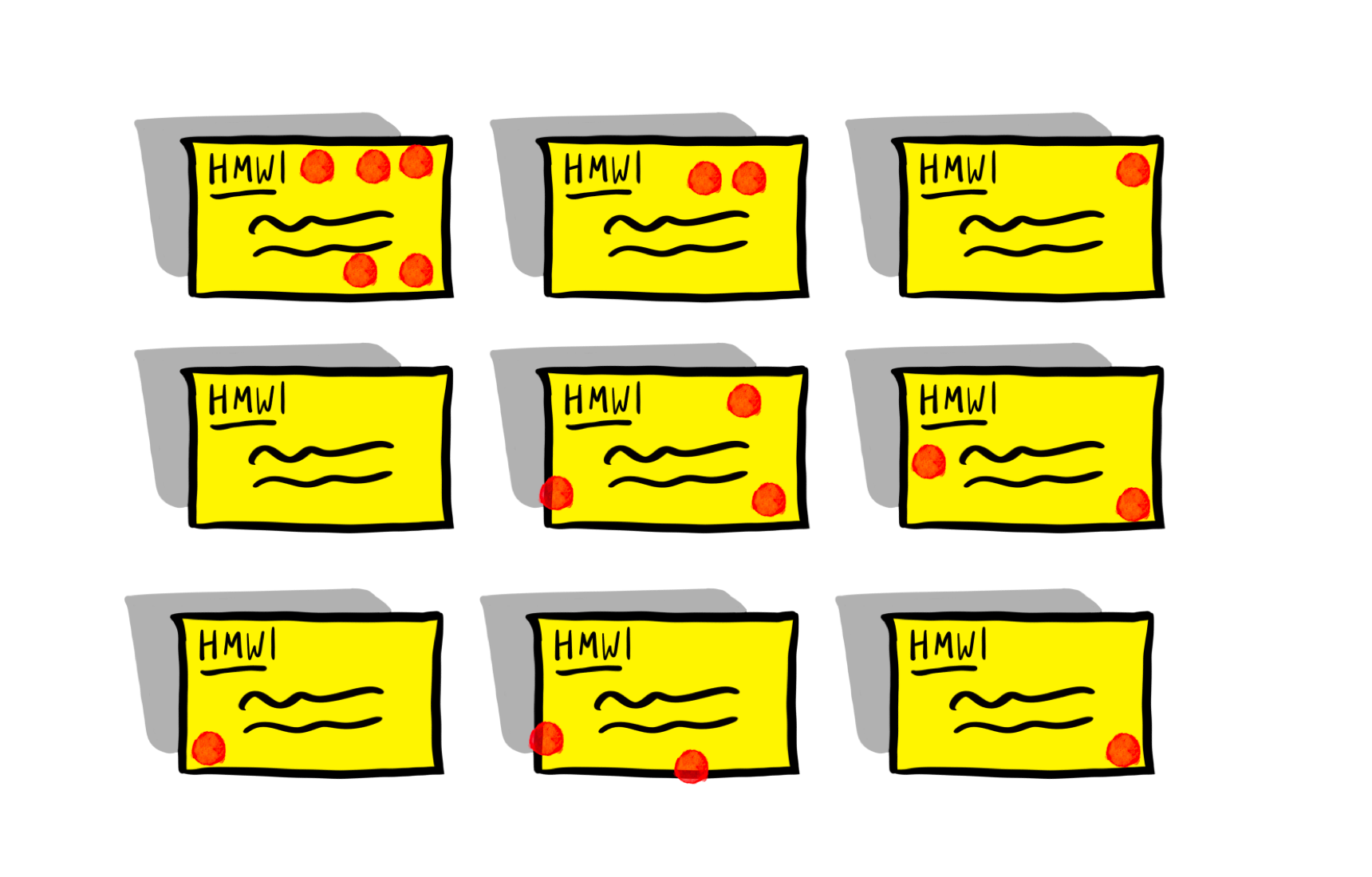
When you need to decide, use ‘dot voting’ to guide the decider instead of going into open discussions.
It will give the opportunity to each team member to share his own opinion, and the decider will be able to make the final decision while considering the team’s opinion or not.
I didn’t mention it yet, but it’s also a good practice to appoint a ‘Decider’ in a workshop. It would be candid to think that a flat hierarchy could work, because it doesn’t for a bunch of reasons like lack of accountability, team politics etc. Generally, the decider should be the person with the highest stake in the outcome.
💉 🏥 : This principle allows to decrease the lack of inclusivity issue and also helps with the groupthink issue.
Conclusion: Less Meetings, More Workshops
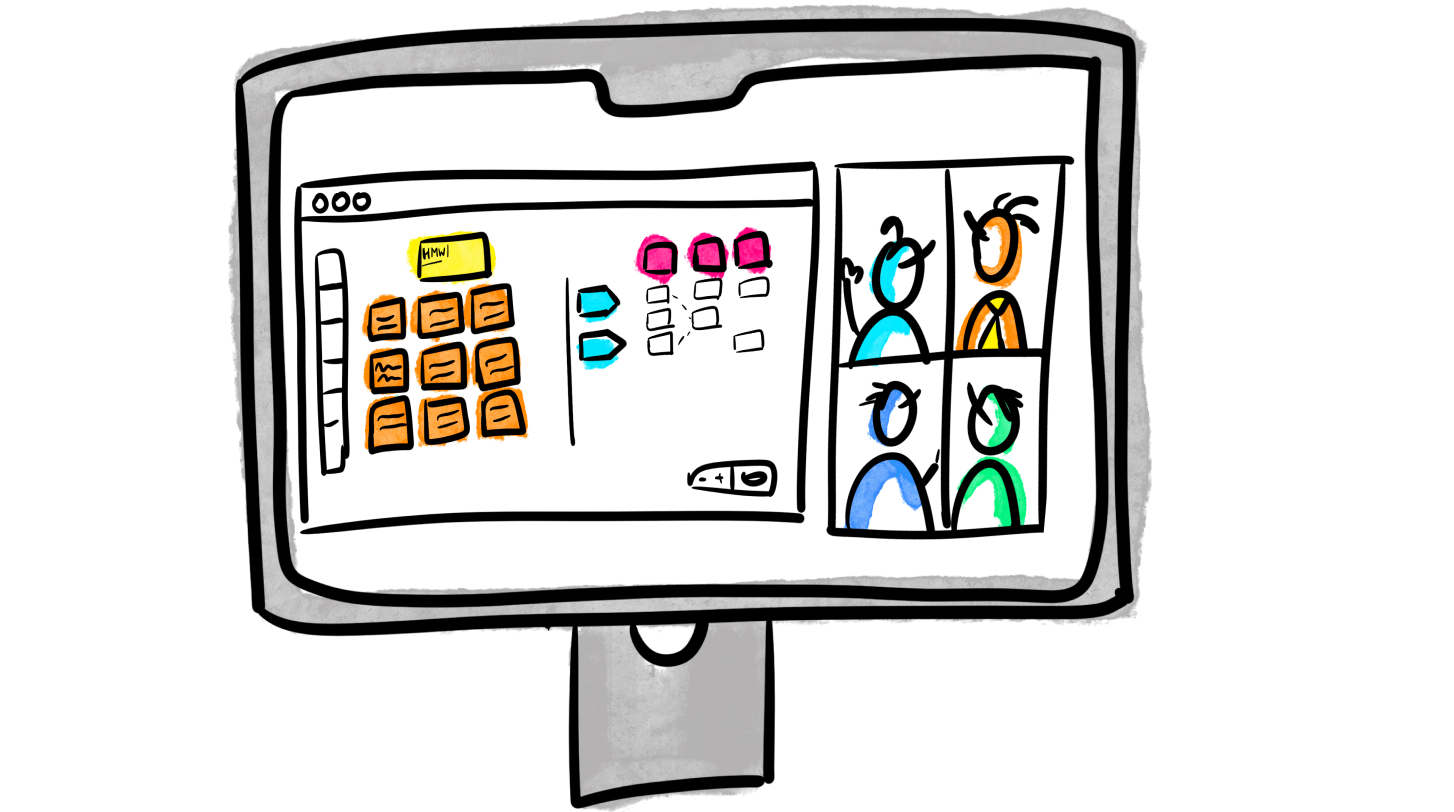
Workshops are powerful because people leave these sessions feeling like they have created something together. They are a game changer: they make group collaboration possible where meetings fail to do the same.
Workshops change the way collaborative work happens by replacing an unstructured open discussion with a robust process composed of exercises and activities that allow the team to focus on the challenge, minimize groupthink, and foster structured discussion and uninterrupted ideation.
Of course, it’s not possible to replace every meeting you have with workshops, but you should try to or at least use workshop principles in your meetings: it will defintely make them more efficient.
“Meetings should be like salt — a spice sprinkled carefully to enhance a dish. Too much salt destroys a dish. Too many meetings destroy morale and motivation.” — Jason Fried, Basecamp founder and CEO
If you want your productivity to have a brighter future than the Titanic headed towards the iceberg, you know what to do.
For more content on facilitation, feel free to subscribe to my newsletter ! I regularly write about workshop facilitation and how it can help your team solve big problems, generate new ideas and make the right decision faster.